Triple glazing: the complete guide
Triple glazing adds a third pane of glass to a sealed window unit. This guide explains how it works, where the third pane earns its keep, and how to weigh the cost against the comfort — using typical figures from the Energy Saving Trust and manufacturer data rather than sales promises.
What is triple glazing?
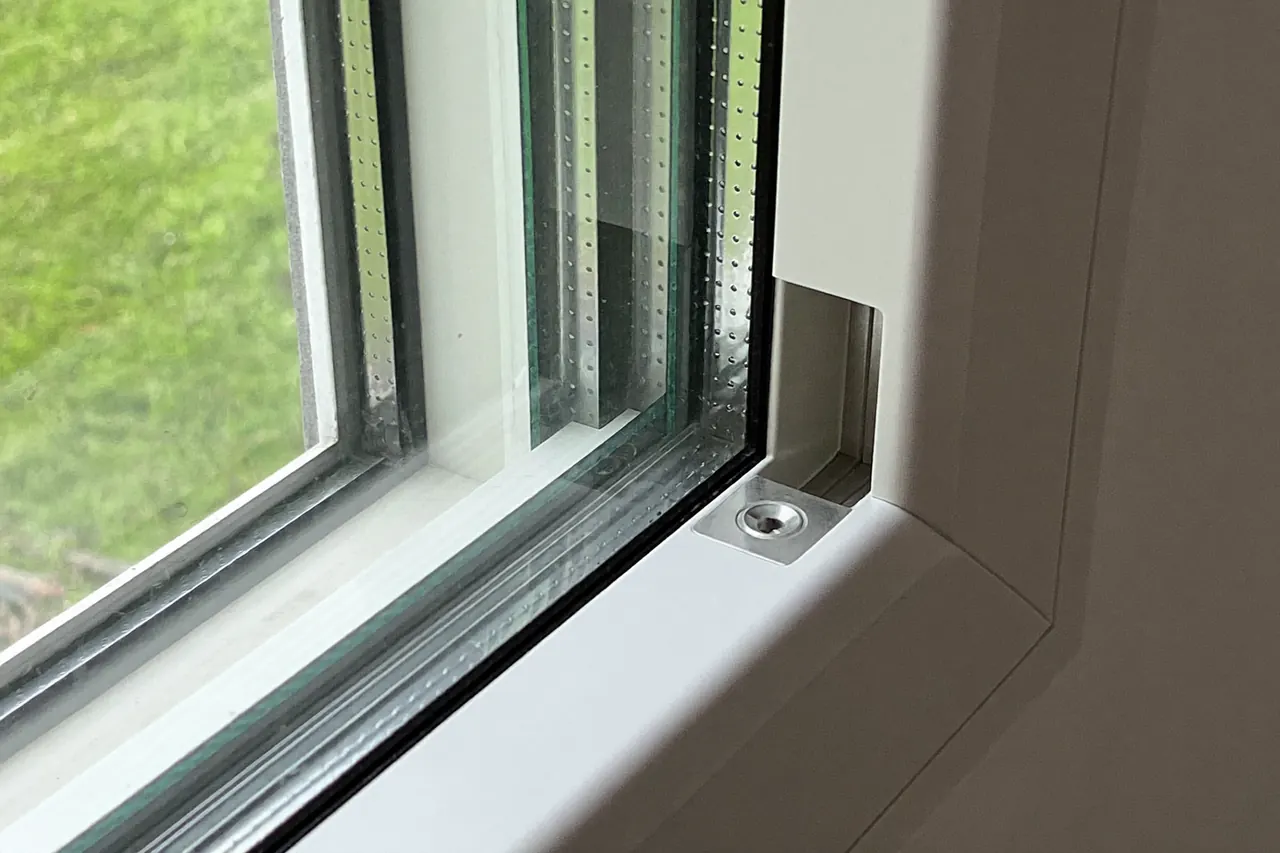
A triple-glazed window has three panes of glass held apart by two spacer bars, with the gaps usually filled with argon gas. Standard double glazing uses two panes and one gap. The extra pane and cavity give heat and sound one more barrier to cross, which is why triple units tend to feel warmer near the glass and can be quieter on a busy street.
The performance does not come from the third pane alone. The spacer bar material, the gas fill, low-emissivity (low-E) coatings and the frame all matter. A well-specified double-glazed unit can outperform a poorly built triple one, so it pays to read the numbers on a quote rather than counting panes.
How the third pane works
Heat leaves a warm room through the glazing by conduction and radiation. Each pane and each gas-filled cavity slows that flow. Adding a third pane lowers the whole-window U-value — the rate of heat loss — and raises the temperature of the innermost pane. A warmer inner surface reduces the cold-glass draught you feel when you sit near a window in winter. Our guide to triple glazing U-values explains the numbers to look for.
See what triple glazing would cost for your home
Answer a couple of quick questions and compare free, no-obligation quotes from vetted local installers.
Compare triple glazing prices →When triple glazing makes sense
Triple glazing is not automatically the right choice for every window. It tends to pay off in cold or exposed rooms, on new builds and deep retrofits aiming for a low-energy standard, and where noise from a road, railway or flight path is a daily nuisance. In a sheltered mid-terrace, good double glazing is often already enough. Our honest verdict on whether triple glazing is worth it walks through the trade-offs room by room.
What it costs
As a rule of thumb, triple glazing costs roughly 15–30% more than an equivalent double-glazed window, though the exact figure depends on the frame, glass specification and access. See our detailed breakdown of triple glazing cost and prices for the factors that move the number, and read our head-to-head on double vs triple glazing to see where the extra spend is justified. For a wider view of the market you can also browse the double glazing information hub.
Comfort, noise and condensation
Beyond heat loss, homeowners choose triple glazing for a quieter, more comfortable home. Paired with acoustic laminated glass it can take the edge off traffic noise — see triple glazing for noise reduction. The warmer inner pane also changes how condensation forms; our page on triple glazing and condensation explains why you might see dew on the outside of the glass on a cold morning, and what that actually tells you.
Energy and everyday benefits
Lower heat loss can trim what you spend on heating over a year, within the typical ranges published by the Energy Saving Trust. We keep those figures honest on our triple glazing energy savings page, and round up the wider upsides — warmth, quiet, security and resale appeal — under benefits of triple glazed windows.
Ready to compare real quotes?
It takes about 60 seconds to tell us about your home and get matched with vetted installers.
Compare triple glazing prices →How to get quotes
The simplest way to know what triple glazing would cost for your home is to compare like-for-like quotes from more than one installer. Our step-by-step on how to get triple glazing quotes shows what to ask for so you can compare on equal terms — and every quote we match you with is free and carries no obligation.
What a survey confirms
Every home is different, so the figures in this guide are starting points rather than promises. A free home survey checks your existing frames, the size and exposure of each opening and how the windows are fitted, then confirms the specification and price that make sense for you. That is the moment the typical ranges become real numbers for your property.
All U-value, energy and noise figures on this page are typical ranges from the Energy Saving Trust and manufacturer data, shown for guidance only. Your final specification and price are confirmed by a home survey.