Triple glazing for noise reduction
If you live near a busy road, a railway or a flight path, quiet is often the real reason to upgrade your windows. Triple glazing can help — but the glass specification matters more than the number of panes. Here is what actually cuts noise, and what to ask for.
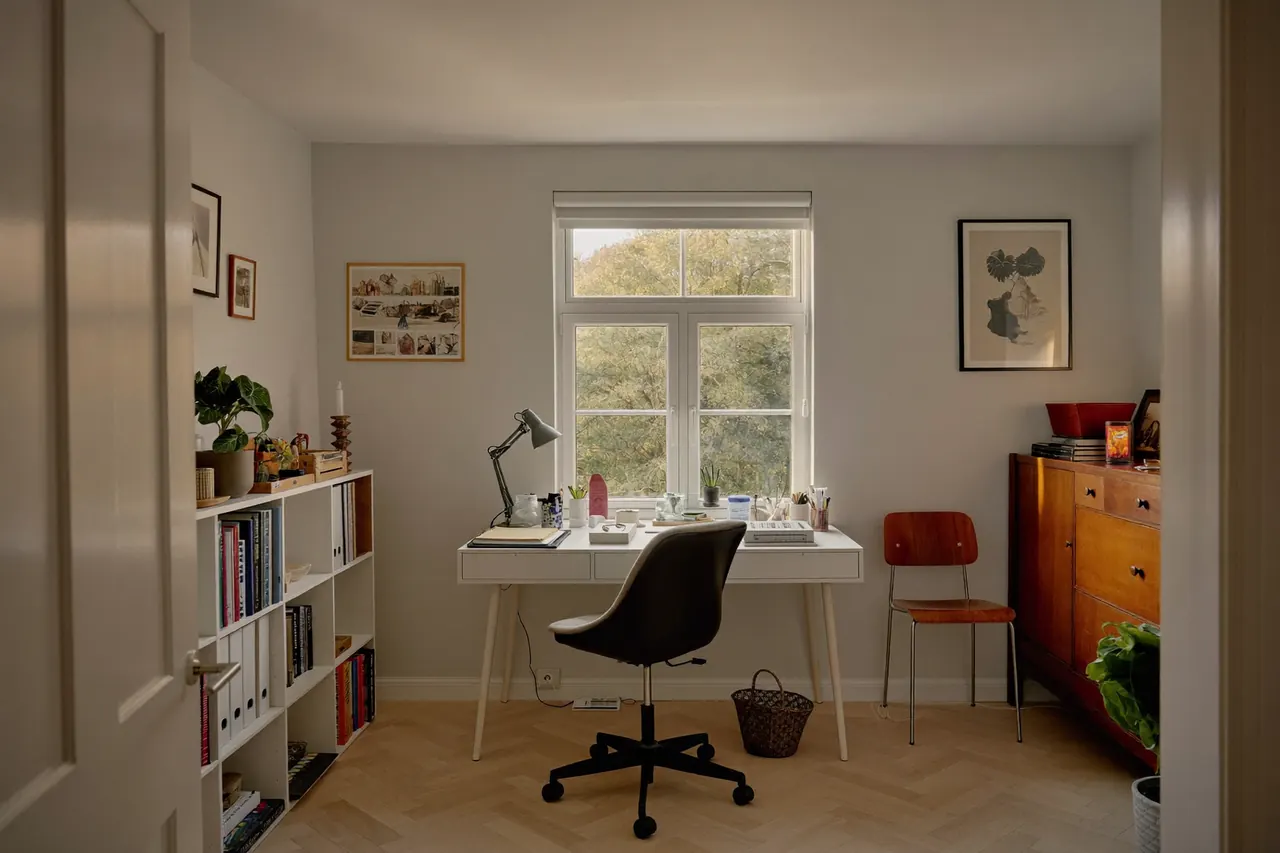
Does triple glazing reduce noise?
Yes, triple glazing generally reduces noise compared with single glazing and can improve on standard double glazing, because each pane and cavity is another barrier for sound to cross. But the biggest gains come from how the glass is built, not simply from adding a third pane. Two panes of differing thickness, and laminated acoustic glass, often beat three panes of identical glass for blocking sound.
What really cuts sound
- Acoustic laminated glass — a special interlayer damps sound vibration and is the single most effective upgrade.
- Panes of different thickness — mixing glass thicknesses stops both panes resonating at the same frequency.
- Wider or asymmetric cavities — the air or gas gap absorbs sound energy.
- A well-sealed, well-fitted frame — gaps around a poorly fitted window leak noise straight through.
Ask installers about acoustic glazing
Compare free, no-obligation quotes from vetted local installers who fit acoustic units.
Compare triple glazing prices →How much quieter will it be?
Manufacturer data suggests acoustic glazing can achieve sound reductions of up to around 37 dB, depending on the unit and installation. That does not mean silence — noise also travels through walls, roofs and gaps — but it can noticeably take the edge off traffic hum and passing trains. Because results depend on your specific windows and surroundings, treat quoted figures as typical ranges and confirm what is realistic for your home at survey.
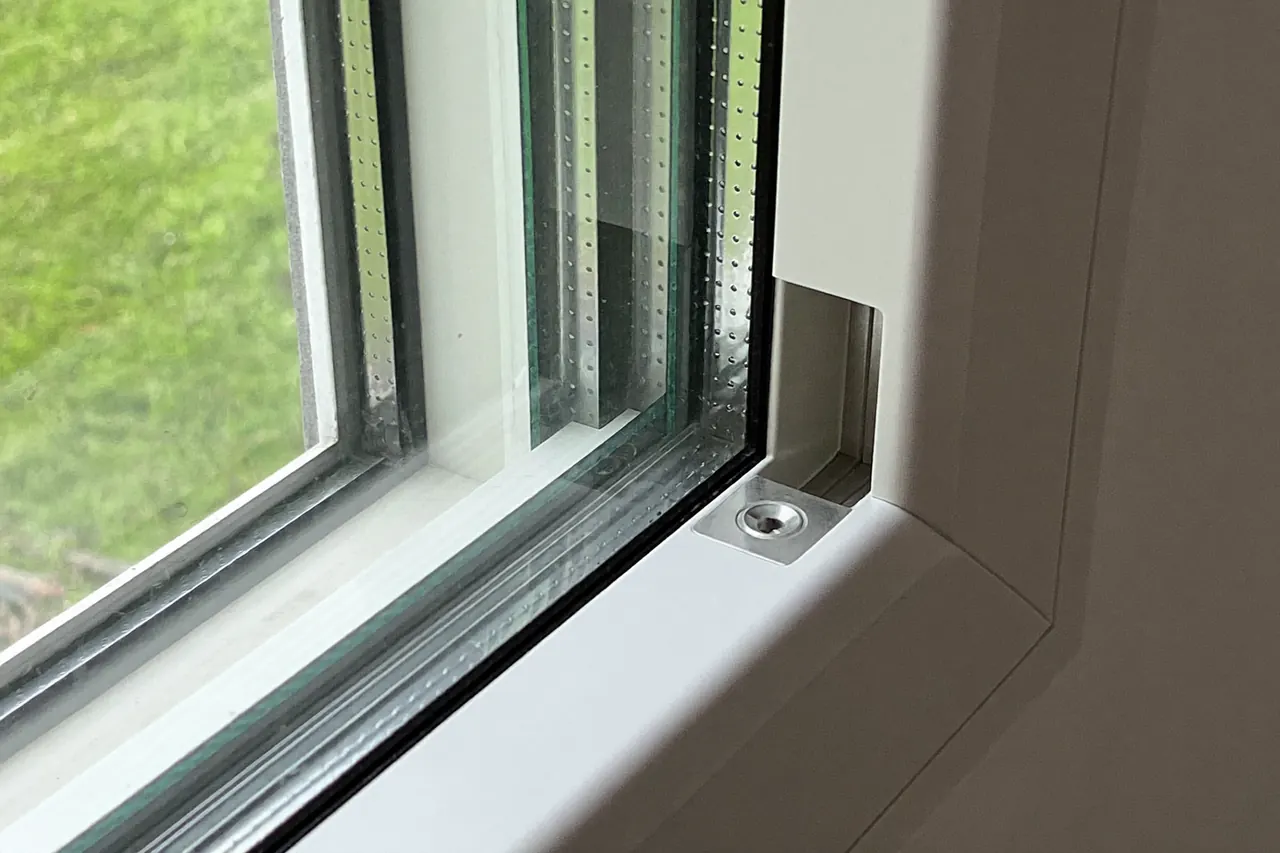
Triple glazing or acoustic double glazing?
For pure noise control, acoustic double glazing is sometimes as good as, or better than, standard triple glazing — and it costs less. Triple glazing wins when you want the noise reduction and the lower heat loss together. Our double vs triple glazing comparison weighs the two, and our page on the benefits of triple glazed windows covers the wider comfort gains.
Getting it specified right
Because soundproofing depends on the exact glass build, make sure your quote spells out the acoustic specification, not just “triple glazed”. The complete triple glazing guide sets the context, and comparing quotes from more than one installer helps you judge which acoustic option gives the best value.
Want a quieter home?
Tell us about your property and compare quotes for acoustic and triple glazing options.
Compare triple glazing prices →Noise travels through more than the glass
Even the best acoustic glazing cannot fix noise that arrives another way. Sound leaks through trickle vents, letterboxes, thin walls, roofs and gaps around a poorly fitted frame. If a room is still noisy after a glazing upgrade, those flanking paths are usually why. A good installer will look at the whole opening at survey, not just the sealed unit, so the fit does justice to the glass you have paid for.
Noise-reduction figures are typical manufacturer ranges, shown for guidance only. Actual performance depends on your windows, surroundings and installation, confirmed by a home survey.