Triple glazing and condensation
Condensation confuses a lot of homeowners — especially when new triple glazing seems to have dew on the outside. Here is what is actually happening, why efficient windows can behave this way, and what it tells you about your glazing.
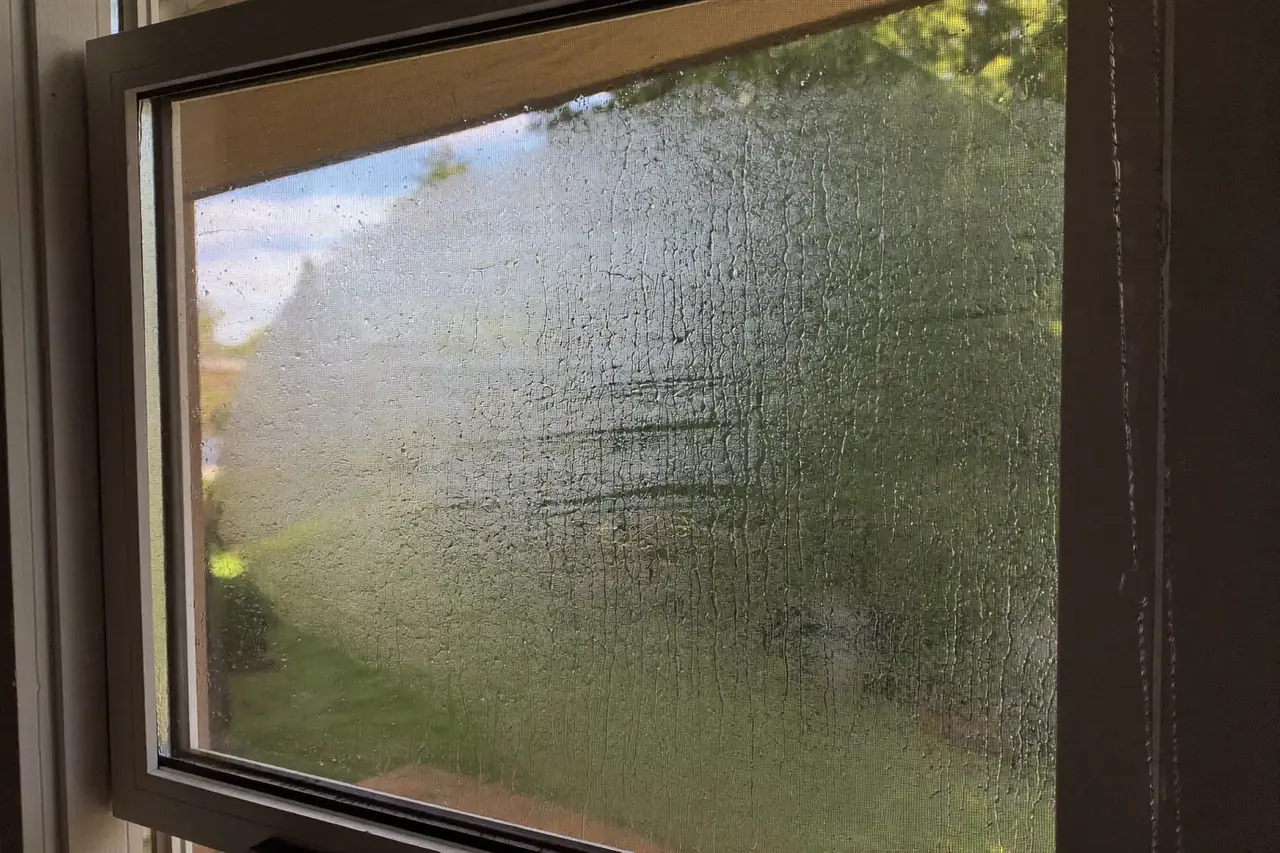
The three types of condensation
Condensation on a window can appear in three places, and each means something different:
- Inside the room (internal) — moisture from the warm room meeting cold glass. Efficient glazing reduces this because the inner pane stays warmer.
- On the outside (external) — dew forming on the outer pane on a cold, clear morning. Perhaps surprisingly, this is a sign the glazing is working well.
- Between the panes — moisture trapped inside the sealed unit. This indicates a failed seal and means the unit needs replacing.
Why triple glazing can have external condensation
With triple glazing, so little heat escapes through the window that the outer pane stays close to the outside air temperature. On a clear, still night the glass can drop below the dew point, so dew forms on the outside just as it does on car windscreens or grass. It looks odd on a new window, but it is evidence that heat is staying inside where you want it. It usually clears as the morning warms up.
Thinking about upgrading your windows?
Compare free, no-obligation quotes from vetted local installers — about 60 seconds to start.
Compare triple glazing prices →Does triple glazing reduce internal condensation?
Generally, yes. Because the inner pane runs warmer — a direct result of the lower U-value — there is less chance of warm, moist indoor air condensing on the glass. That can help reduce the damp and mould that internal condensation encourages. Our guide to U-values explains why the inner pane stays warmer, and the benefits of triple glazed windows page covers the wider comfort gains.

Managing condensation in your home
No window eliminates condensation on its own, because it is driven by the moisture and ventilation in your home. To keep it under control: ventilate kitchens and bathrooms, use trickle vents, dry washing outdoors where possible, and keep rooms reasonably heated. Good triple glazing helps, but airflow matters just as much.
When condensation signals a problem
Misting between the panes is the one to act on — it means the sealed unit has failed and lost its gas fill and insulating performance. In that case the glazing needs replacing. If you are already weighing up new windows, the complete triple glazing guide is a good place to start.
Ready to compare quotes?
Get matched with vetted installers and compare triple glazing options for your home.
Compare triple glazing prices →Ventilation matters as much as glazing
New windows are often more airtight than the ones they replace, which is good for heat loss but means indoor moisture has fewer ways to escape. That is why trickle vents, extractor fans and a little background ventilation are so important after an upgrade. Pairing efficient triple glazing with good airflow gives you the warmth without trapping the damp that feeds internal condensation and mould.

Guidance only. Individual homes vary; a home survey confirms what your windows would achieve.