Triple glazing U-values explained
The U-value is the single most useful number on a window quote — it tells you how quickly heat escapes through the glazing. This guide explains what the figure means, the typical numbers to expect from triple glazing, and how to compare quotes without being baffled by the jargon.
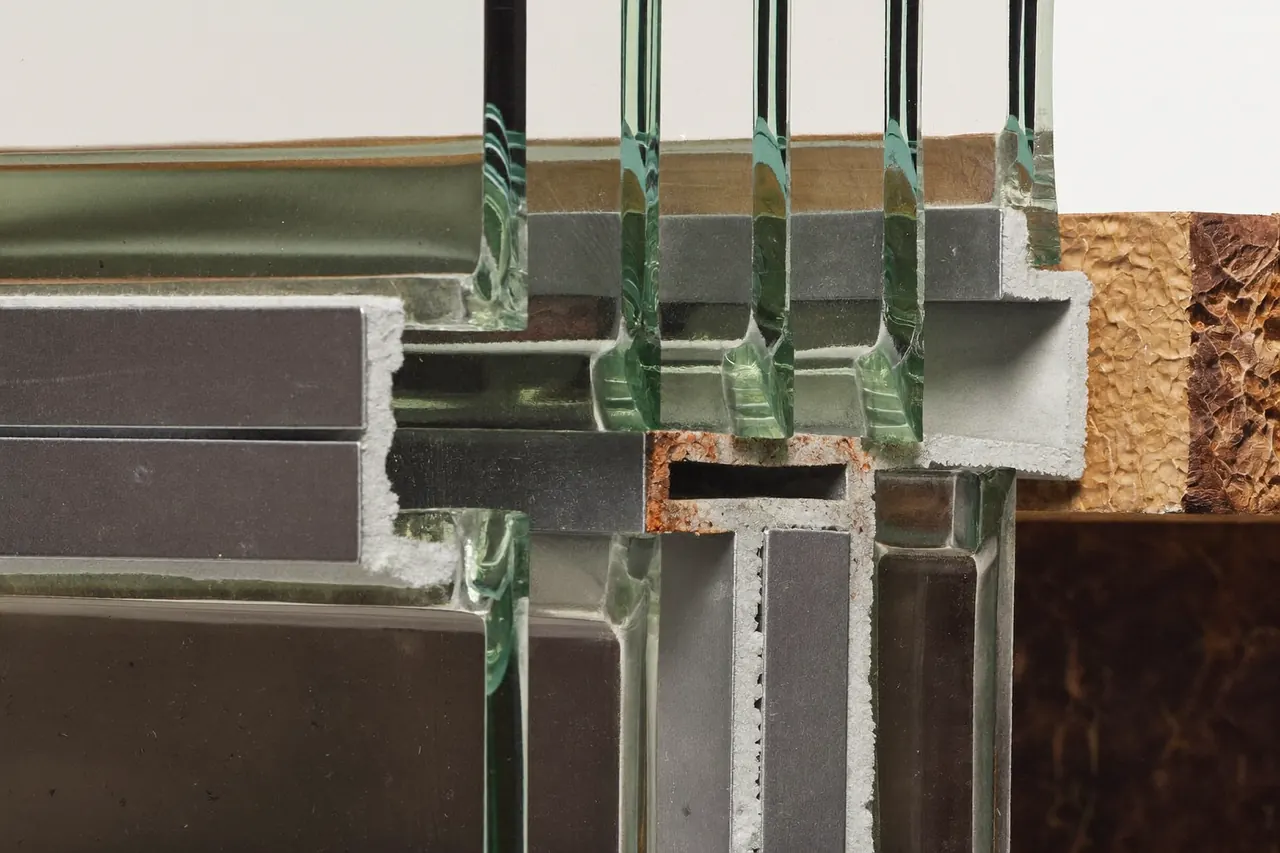
What is a U-value?
A U-value measures the rate of heat loss through a material, expressed in watts per square metre per degree of temperature difference (W/m²K). The lower the number, the less heat escapes and the better the insulation. Because it is a rate of loss, a window with a U-value of 0.8 keeps heat in better than one at 1.4.
Typical triple glazing U-values
Modern triple-glazed windows typically achieve a whole-window U-value of around 0.8–1.0 W/m²K, compared with roughly 1.2–1.4 for good double glazing. The very best triple units, with high-grade coatings and warm-edge spacers, can go lower still. Building regulations set a maximum U-value for replacement windows, and most quality glazing comfortably beats it.
Compare U-values on real quotes
Get free, no-obligation quotes from vetted installers and see the numbers for your home.
Compare triple glazing prices →Whole-window vs centre-pane U-values
Watch for which U-value a quote is quoting. The centre-pane figure only measures the glass and always looks better. The whole-window figure includes the frame and edges, which is what actually governs your home’s heat loss. Always compare whole-window U-values, and make sure every quote is stating the same thing. Our guide to getting triple glazing quotes lists exactly what to ask installers.
What affects the U-value
- Number of panes and cavities — three panes and two gas gaps beat two panes and one.
- Gas fill — argon is standard; krypton performs better in narrow cavities.
- Low-emissivity coatings — microscopically thin layers that reflect heat back inside.
- Warm-edge spacer bars — reduce heat loss at the vulnerable edge of the unit.
- Frame material — the frame is part of the whole-window figure, so it matters too.
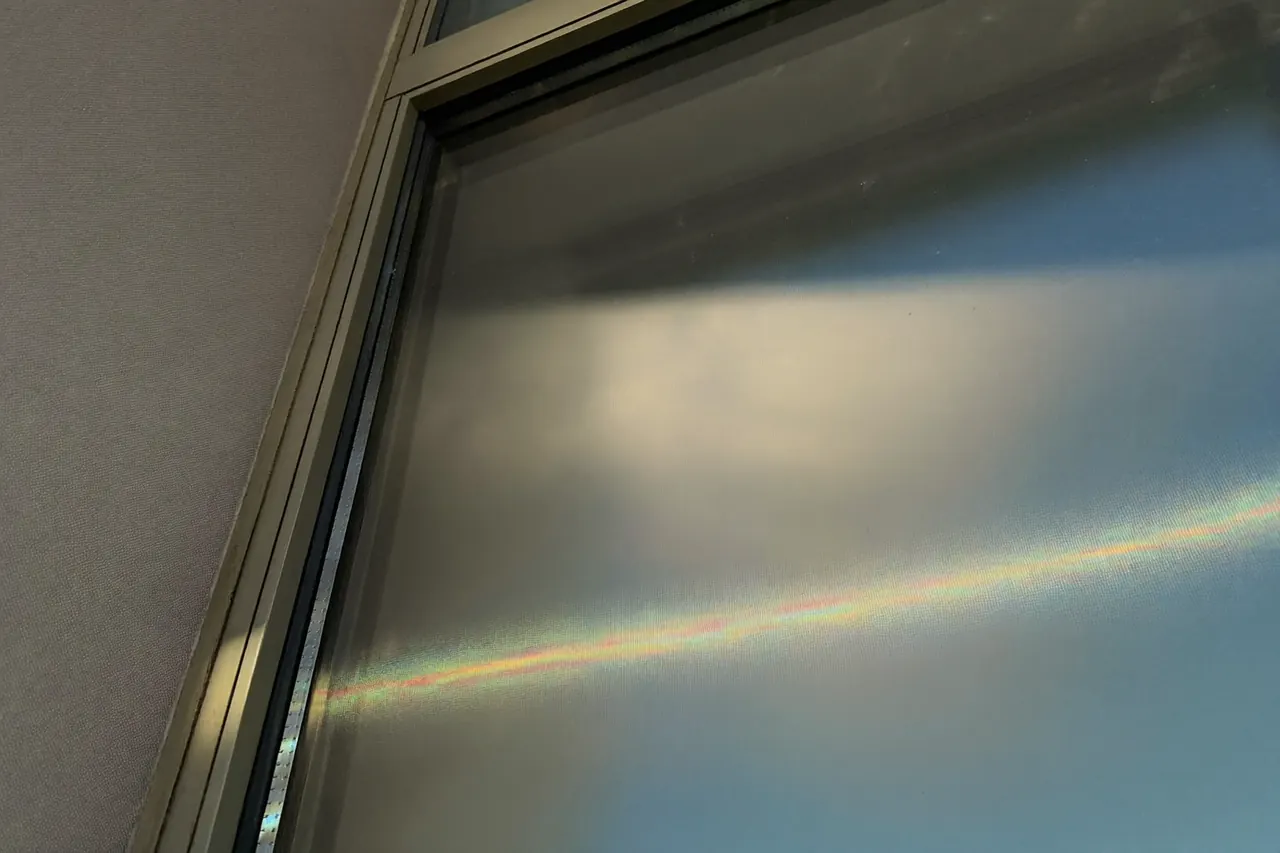
How U-values translate to comfort and savings
A lower U-value means less heat lost through the glazing, which can trim heating demand within the typical ranges published by the Energy Saving Trust. It also raises the temperature of the inner pane, so the room feels warmer near the window. See how the numbers relate to running costs on our triple glazing energy savings page, and how triple compares overall in our double vs triple glazing guide.
Want the U-value figures for your windows?
Tell us about your home and compare quotes that spell out the whole-window U-value.
Compare triple glazing prices →How to compare U-values on quotes
When two quotes list different U-values, check they are measuring the same thing before you judge them. Confirm both are whole-window figures, both use the same test standard, and both include the frame you have chosen. A quote that headlines a low centre-pane number while the whole-window figure is much higher is not comparing like for like — and it is the whole-window value that governs your heating.
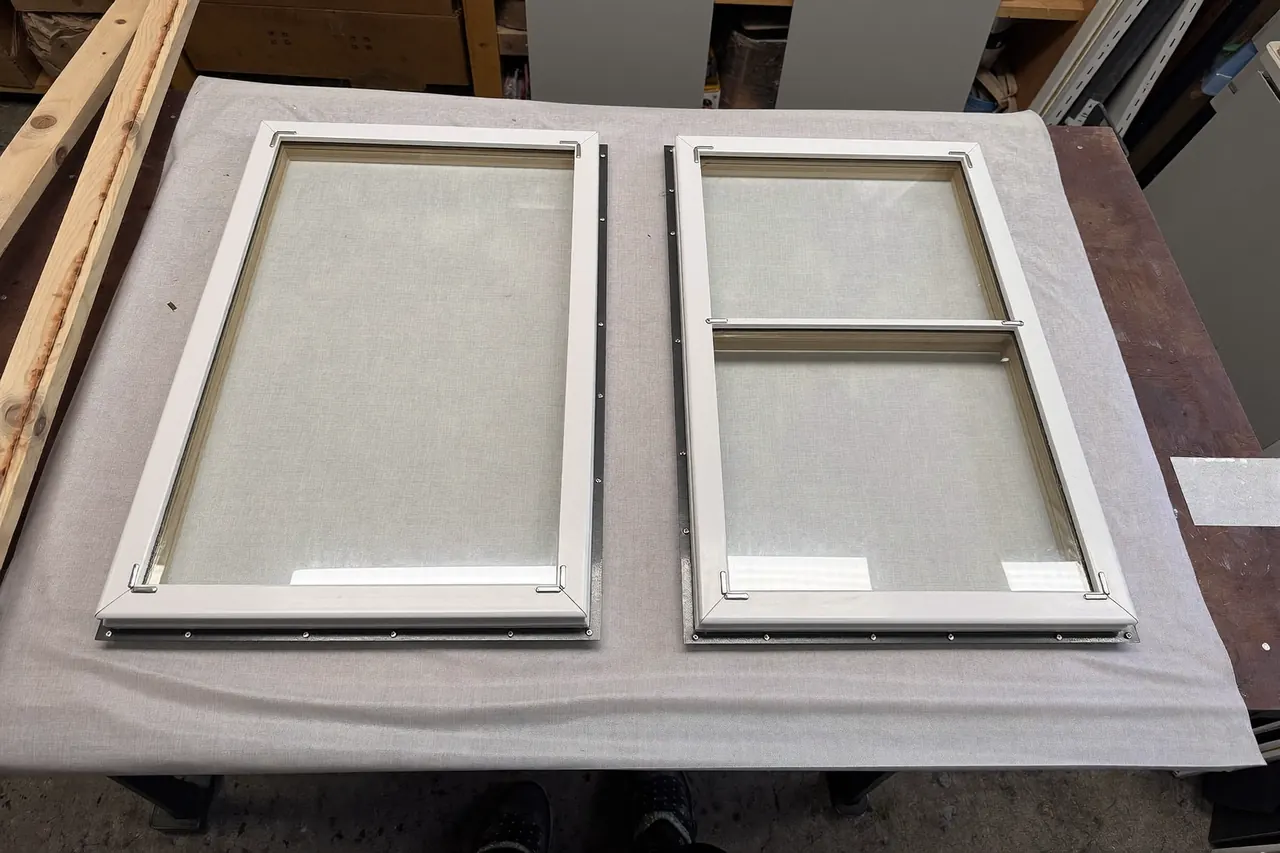
All U-value figures are typical ranges from the Energy Saving Trust and manufacturer data, shown for guidance only. Your final specification is confirmed by a home survey.